
How Reed Jobs Is Quietly Building an AI-Powered Biotech Powerhouse
In a technology landscape dominated by headlines about large language models, cloud infrastructure, and enterprise software, a quieter but potentially more consequential revolution is unfolding at the intersection of artificial intelligence and drug discovery. Reed Jobs, founder of the biotech-focused venture firm Yosemite, is at the center of that shift — and according to a recent conversation at TechCrunch Disrupt, even he didn't see this coming quite so fast. For developers, IT decision-makers, and policy professionals tracking how AI is reshaping high-stakes industries, the Yosemite story offers a revealing case study in what happens when serious compute power meets serious scientific ambition.
When Jobs last spoke publicly at TechCrunch Disrupt nearly three years ago, Yosemite was brand new and the broader biotech sector was still recovering from its post-pandemic crash — a brutal correction that saw valuations collapse and investor enthusiasm evaporate almost overnight. Now the picture looks dramatically different. Yosemite has grown to a team of 17, a cluster of major pharmaceutical drugs are all approaching the end of their patent protection in roughly the same window, and AI has evolved from a peripheral curiosity into, in Jobs's own words, "a huge part of what Yosemite does." The pace of change has surprised even the firm's founder. "I didn't expect Yosemite to be moving this fast," he said.
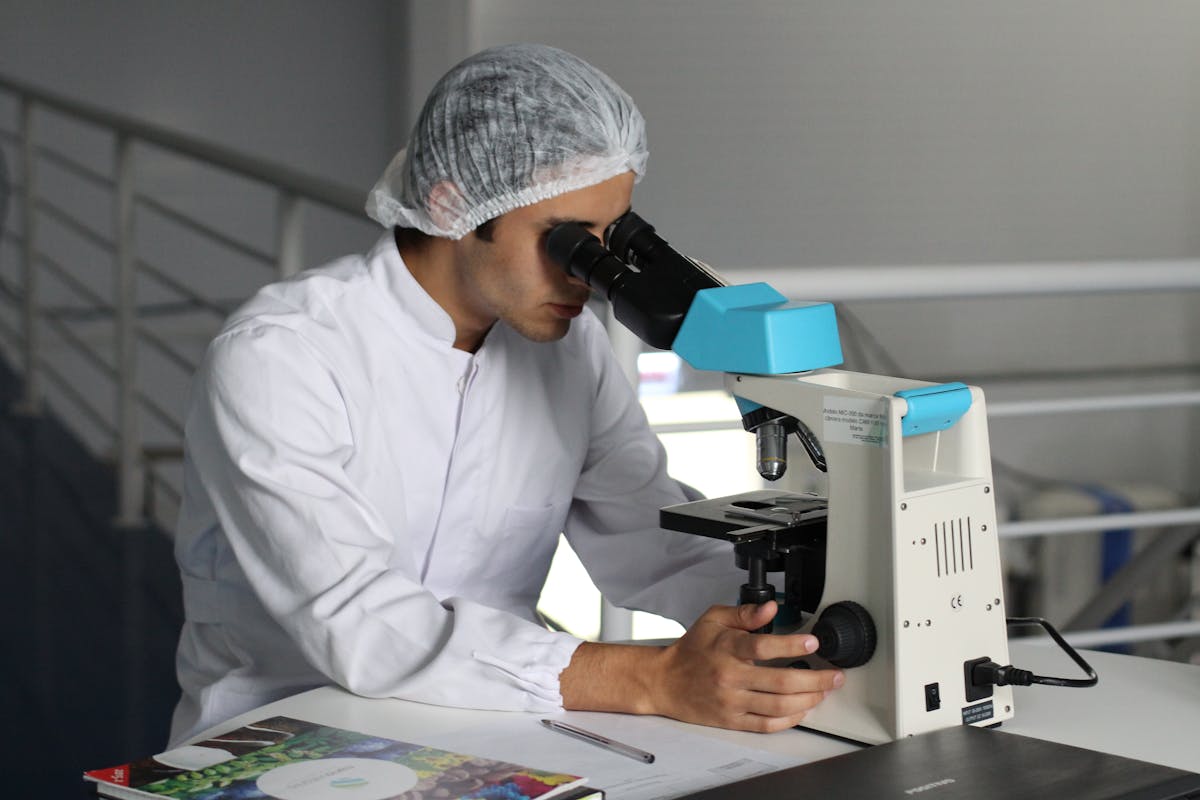
The Patent Cliff: Why Now Is the Most Disruptive Moment in Pharma in a Generation
To understand why Yosemite's timing may be fortuitous, it helps to understand the concept of the "patent cliff" — a phenomenon that IT professionals working in healthcare data infrastructure and policy professionals involved in pharmaceutical regulation will recognize immediately. When a blockbuster drug loses its patent protection, generic and biosimilar manufacturers can legally enter the market, often slashing prices dramatically and reshuffling competitive dynamics across the entire sector.
What makes the current moment unusual is the scale and concentration of these expirations. According to analysis published by Reuters and industry watchers at STAT News, an unprecedented number of high-revenue drugs are losing patent protection within the same multi-year window. This creates enormous white space for new entrants — venture-backed firms, academic spinouts, and AI-native drug discovery companies — to develop next-generation alternatives, improved formulations, or entirely novel mechanisms of action that can compete in markets previously locked up by incumbent pharmaceutical giants.
For a firm like Yosemite, which is oriented around cancer research and other high-need therapeutic areas, the patent cliff represents both a commercial opportunity and a humanitarian one. With generic manufacturers taking over established drug categories, innovation capital can flow toward the next generation of treatments — and AI is increasingly the engine driving those discovery cycles.
AI Biotech Drug Discovery: From Curiosity to Core Infrastructure
The transformation Jobs describes — from AI as a curiosity to AI as a central pillar of operations — mirrors a broader shift happening across the life sciences sector. Researchers at McKinsey & Company have estimated that AI applications in drug discovery and development could generate hundreds of billions of dollars in value over the coming decade, primarily by compressing timelines that traditionally stretched across years or even decades into months. For developers and IT architects working in healthcare or adjacent sectors, this isn't an abstract projection — it's driving real infrastructure decisions right now.
The mechanics of AI-driven biotech are worth unpacking for a technically literate audience. Modern drug discovery AI typically operates across several layers: target identification (using machine learning to identify biological targets likely to be implicated in disease), molecule generation (using generative models to design candidate compounds), and predictive toxicology (modeling the likely safety profile of a compound before it ever enters a lab). Each of these layers has historically required enormous amounts of time, expert labor, and expensive physical experimentation. AI collapses those requirements — not eliminating human judgment, but dramatically accelerating the feedback loop.
Firms like DeepMind, with its AlphaFold protein structure prediction system, demonstrated that AI could solve problems in biology that had stumped researchers for decades. According to reporting in Nature, AlphaFold's impact on structural biology was described by some researchers as equivalent to a technological revolution. That same logic — AI as a force multiplier for scientific discovery — is what underpins the ambitions of venture firms like Yosemite.
"The convergence of AI capability and a generational patent cliff is creating a rare window of opportunity in drug discovery that won't stay open forever. The firms moving fastest are the ones treating AI not as a feature, but as foundational infrastructure."
— Biotech venture analyst perspective, reflecting industry consensusWhat Makes Yosemite's Approach Different From Traditional Biotech VC
Traditional biotech venture capital has historically operated on a long-cycle, high-risk model: fund a portfolio of companies, accept that most will fail, and wait for the rare blockbuster that returns the entire fund. That model has produced extraordinary treatments and extraordinary losses in roughly equal measure. The post-pandemic biotech crash that Jobs referenced was, in many ways, the inevitable correction of a market that had gotten ahead of itself during a period of near-zero interest rates and extraordinary public enthusiasm for anything science-adjacent.
What distinguishes the current Yosemite approach — as much as can be inferred from Jobs's public comments — is a tighter integration between AI tooling and investment thesis. Rather than simply funding companies and stepping back, the firm appears to be actively embedding AI capabilities into its portfolio companies' research workflows. This is a model that will resonate with IT decision-makers and software architects who have watched similar dynamics play out in enterprise software, where the distinction between "investor" and "platform partner" has increasingly blurred.
For policy professionals, the Yosemite model also raises important questions about data governance in AI-driven drug discovery. When AI systems are trained on patient data, genomic databases, and clinical trial records to identify drug targets, the privacy and sovereignty implications are significant. This is an area where European regulatory frameworks — including GDPR and the emerging EU AI Act — are setting the global standard, requiring that AI systems used in medical contexts demonstrate transparency, accountability, and data minimization principles that many Silicon Valley firms have historically been slow to embrace.
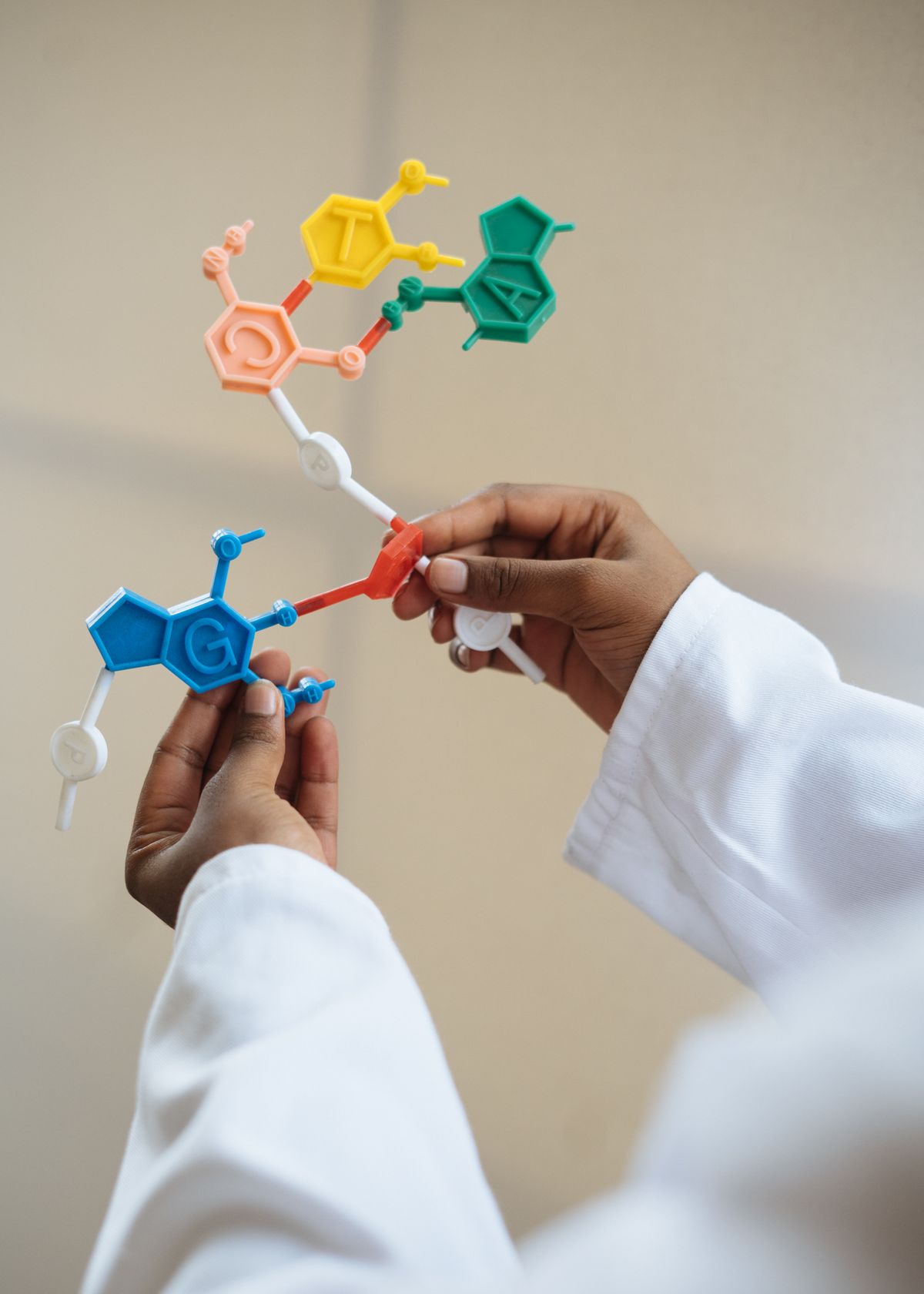
AI Regulation and Biotech: How European Frameworks Are Shaping Global Drug Discovery Standards
For the audience of Europeanpurpose.com — developers, privacy professionals, and policy practitioners working within or adjacent to European digital sovereignty frameworks — the AI biotech revolution presents a specific set of concerns and opportunities that go beyond the venture capital narrative.
The EU AI Act, which entered into force and is being implemented in stages, classifies AI systems used in medical devices and drug development as high-risk applications. This means they are subject to mandatory conformity assessments, transparency requirements, and human oversight provisions before they can be deployed in the European market. For biotech firms using AI for drug discovery, this regulatory layer adds compliance overhead — but it also creates a quality signal that can build trust with European healthcare institutions and regulators.
According to analysis from the Future of Life Institute and commentary from European digital rights organizations, the framing of AI regulation in healthcare is increasingly moving toward a data sovereignty model: who controls the data that trains these models, where that data is stored, and under what legal framework can it be accessed? These are questions that Yosemite and firms like it will need to answer convincingly if they want access to European clinical data and partnerships with European research institutions.
| AI Application in Drug Discovery | Traditional Timeline | AI-Assisted Timeline | EU AI Act Risk Category |
|---|---|---|---|
| Target Identification | 2–4 years | 6–12 months | High Risk |
| Molecule Screening | 18–36 months | 3–9 months | High Risk |
| Predictive Toxicology | 12–24 months | 2–6 months | High Risk |
| Clinical Trial Design | 6–18 months | 2–5 months | High Risk |
| Drug Repurposing Analysis | 3–7 years | 6–18 months | High Risk |
What Yosemite's Growth Signals for Developers and IT Leaders Watching AI Adoption
For developers and IT decision-makers, the Yosemite story is less about celebrity surnames and more about the infrastructure patterns that are enabling this kind of rapid scaling. A 17-person team driving meaningful investment and research activity across multiple portfolio companies suggests a heavily tooled operation — one that relies on cloud infrastructure, AI-assisted analysis, and carefully managed data pipelines to punch well above its headcount.
This is a pattern increasingly visible across knowledge-intensive industries: small, highly capable teams using AI tooling to operate at the scale that previously required organizations ten times their size. For small business owners and entrepreneurs, it's a proof point worth internalizing. The competitive moat in AI-adjacent fields is no longer primarily about headcount or even raw capital — it's about the quality of your data, the sophistication of your AI workflows, and your ability to iterate faster than incumbents who are slowed by legacy systems and organizational inertia.